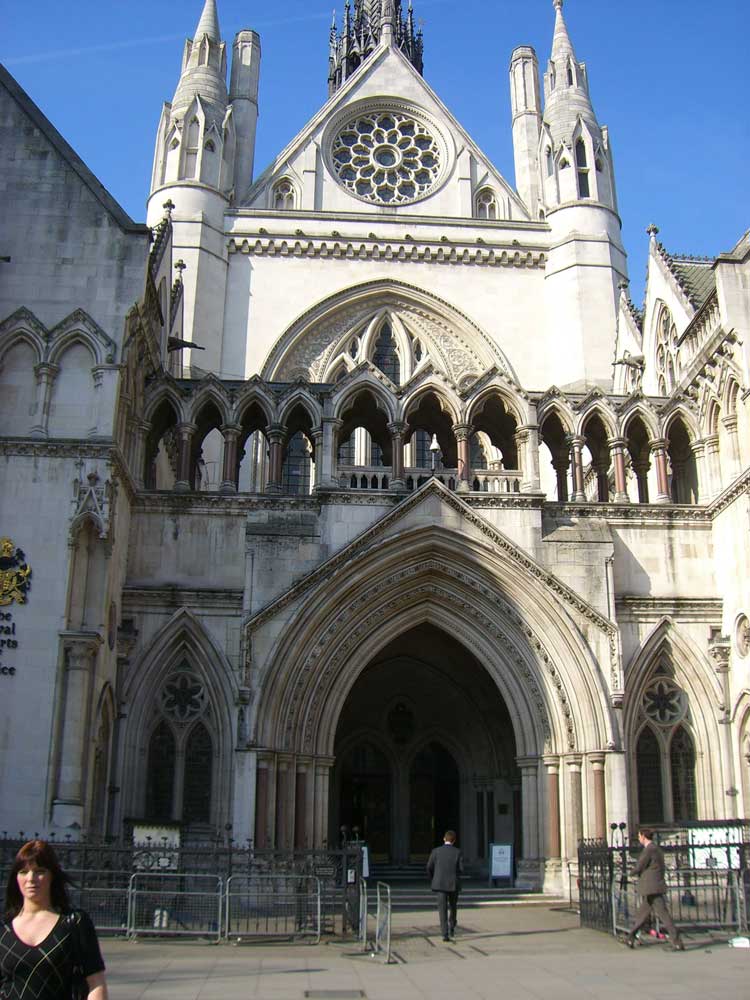
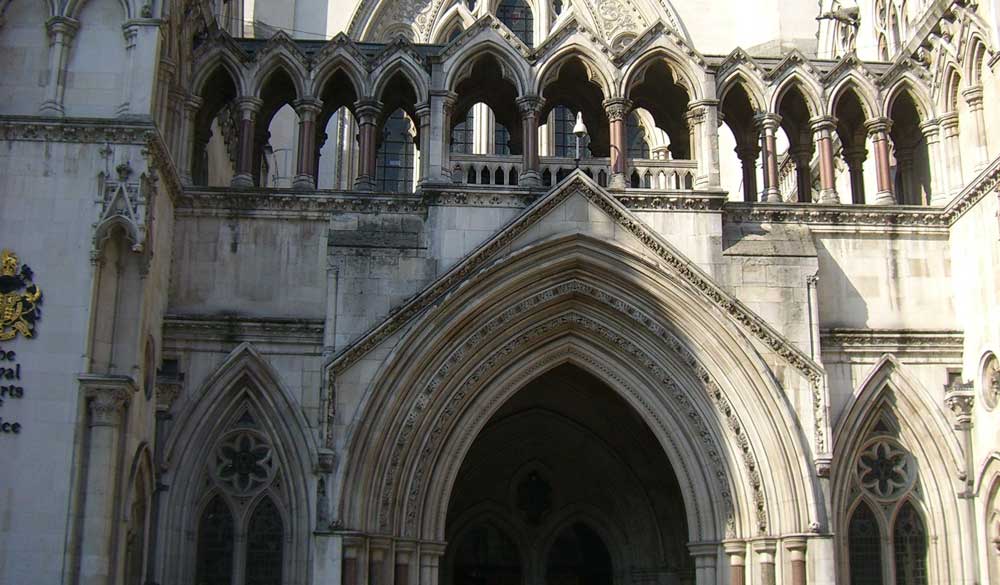
And now for some interesting snippets about London’s Royal Courts of Justice. So let me tell you about Room 666, which so spooked building managers that they ordered professional cleaners to scrub the number off the stonework – to no avail.
It’s considered the coldest room in the building. It certainly was when I visited. But then it was the dead of winter!
As a news agency reporter, I often had to cover cases in Court 4, the so-called show court and a favourite with tourists hoping to hear a juicy case. But a previous Lord Chief Justice who was also superstitious requested that it be changed to 4 instead.
Queen Victoria opened it in 1872 after 11 years of construction which went on longer than planned because workmen went on strike in the middle of it all and they had to bring German workers in.
They were so intimidated by the men they had replaced that they had to sleep inside the building.
But poor old George Street, the architect, never saw its Royal opening because he died the year before, no doubt worn out by it all.
It wasn’t the easiest of places to get around which I discovered as I flitted from court to court trying to fill up my notebook with cases. But it had its quirks.
One corridor is known as The Chicken Run because of a slim frieze going along the length of it depicting chickens!
And once, on the way out through the Grand Hall after a particularly long and tedious case, I was amused to find mats on the floor and Law Courts staff lying on them being put through their Yoga paces.
All the better to ensure justice was evenly served the next day!